
Artificial intelligence is becoming increasingly capable of understanding the world from a human perspective. From wearable devices and smart glasses to household robots and autonomous assistants, many AI systems now rely on first-person visual data to learn how people interact with their surroundings.
This growing demand has made egocentric data collection service an essential part of modern AI development. High-quality first-person data enables machine learning models to recognize objects, understand human actions, predict intentions, and operate safely in dynamic environments.
In this article, we’ll explore what an egocentric data collection service is, why real world ego datasets matter, how an egocentric video dataset is created, and why an end-to-end egocentric data pipeline is becoming the industry standard.
What Is an Egocentric Data Collection Service?
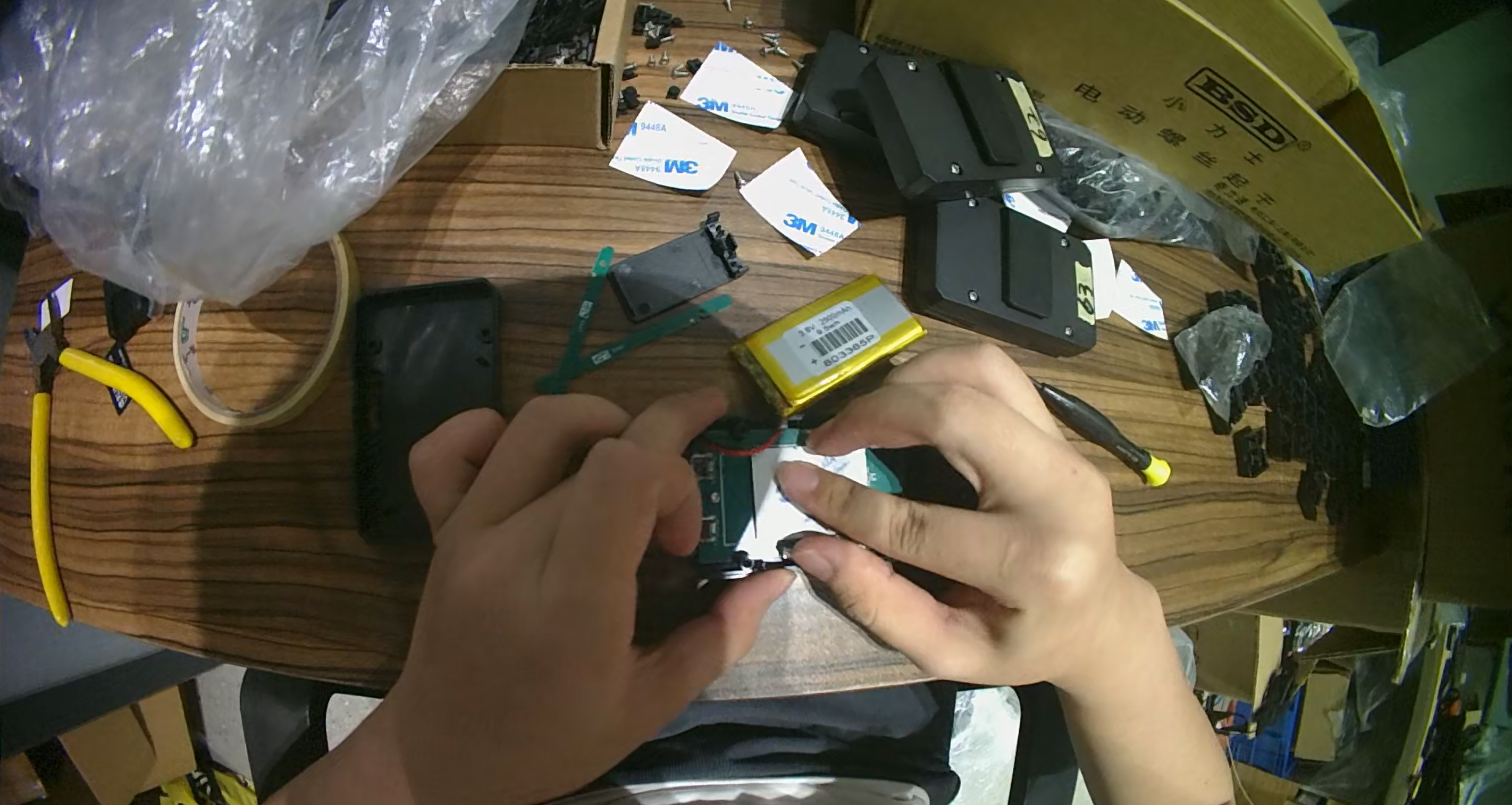
An egocentric data collection service refers to the professional collection of first-person data captured from the perspective of the person performing an activity. Instead of recording a scene from a fixed camera, the camera is typically worn on the head, chest, glasses, or helmet, allowing AI models to observe the world as humans naturally do.
Typical collected data includes:
- First-person RGB videos
- Depth videos
- Multi-camera recordings
- IMU sensor data
- Eye-tracking information
- Audio recordings
- Environmental metadata
Unlike traditional surveillance footage, egocentric data records continuous human interactions, making it especially valuable for training intelligent systems.
Why AI Needs Real-World Ego Datasets
Many AI models perform well in laboratory environments but struggle when deployed in real life. The primary reason is that real-world environments are highly variable and unpredictable.
This is where real world ego datasets become essential.
Compared with synthetic or staged datasets, real-world ego datasets include:
- Natural human movements
- Changing lighting conditions
- Diverse indoor and outdoor environments
- Real object interactions
- Occlusions and motion blur
- Different weather and seasons
These characteristics help AI models generalize better across unseen situations.
For example, a household robot trained using real-world first-person recordings is more likely to recognize everyday tasks such as preparing food, organizing shelves, or locating household items.
What Is an Egocentric Video Dataset?
An egocentric video dataset is a structured collection of first-person videos recorded during real human activities.
Each video may include annotations such as:
| Annotation Type | Description |
|---|---|
| Object Detection | Identify visible objects |
| Action Recognition | Label human actions |
| Activity Segmentation | Divide videos into meaningful tasks |
| Hand Tracking | Track hand movements |
| Object Interaction | Understand manipulation events |
| Scene Classification | Identify environments |
Modern datasets often contain thousands of hours of recordings collected across multiple countries, participants, and environments.
These datasets support research in:
- Robotics
- Computer vision
- Human-computer interaction
- Augmented reality
- Virtual reality
- Autonomous systems

Industries Using Egocentric Data
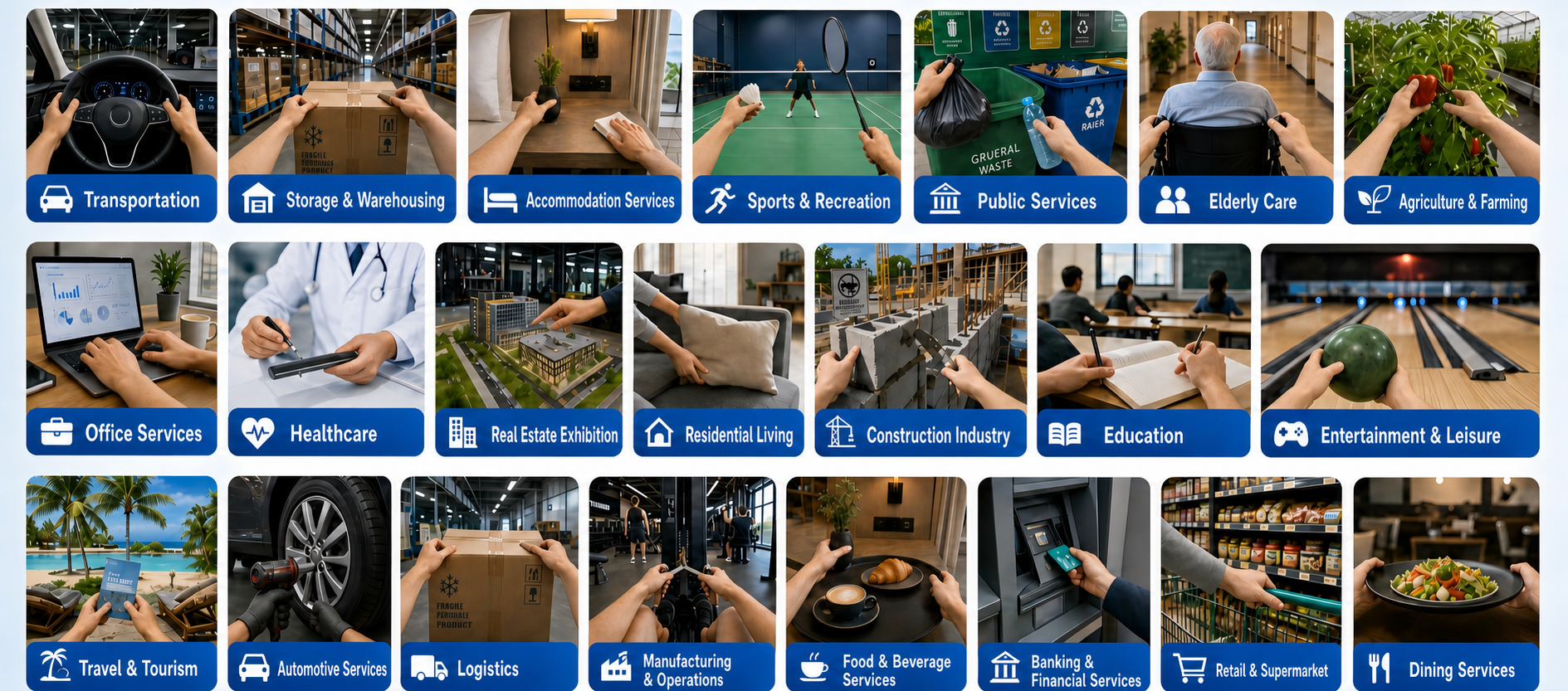
The demand for first-person datasets continues to grow across industries.
Robotics
Robots learn manipulation skills by observing how humans naturally interact with objects.
Examples include:
- Picking up household items
- Opening doors
- Cooking
- Assembly tasks
AR and VR
Wearable devices use egocentric data to understand user intent and improve immersive experiences.
Applications include:
- Gesture recognition
- Hand tracking
- Spatial understanding
- Mixed reality interaction
Healthcare
Medical researchers use first-person recordings for:
- Surgical assistance
- Rehabilitation analysis
- Medical training
- Elderly care monitoring
Retail
Retail companies analyze customer interactions to improve:
- Store layouts
- Shopping experiences
- Product placement
- Inventory management
Autonomous Systems
Autonomous machines benefit from understanding human behavior from a first-person viewpoint, enabling safer collaboration between humans and AI.
The Challenges of Collecting Egocentric Data
Although first-person data is highly valuable, collecting it at scale presents several challenges.
Privacy Protection
Since wearable cameras may capture bystanders, personal belongings, and sensitive information, privacy protection must be integrated throughout the collection process.
Common approaches include:
- Participant consent
- Face blurring
- License plate anonymization
- Secure data storage
Data Diversity
A useful dataset should include:
- Different ages
- Various occupations
- Multiple countries
- Diverse weather conditions
- Different lifestyles
- Indoor and outdoor environments
Greater diversity helps reduce dataset bias.
Annotation Complexity
Egocentric videos often contain continuous motion and overlapping activities.
Annotating such data requires specialized expertise in:
- Temporal segmentation
- Object interaction labeling
- Action recognition
- Multi-label classification
Quality Control
Professional quality assurance includes checking for:
- Stable recordings
- Correct camera placement
- Adequate lighting
- Complete metadata
- Annotation consistency
How a Professional Video Data Collection Service Works
A reliable video data collection service typically follows a structured workflow.
Step 1: Project Design
The project team defines:
- Target scenarios
- Recording devices
- Geographic regions
- Participant requirements
- Data specifications
Step 2: Participant Recruitment
Qualified participants are recruited according to project goals while ensuring demographic diversity.
Step 3: Data Collection
Participants record activities using wearable cameras under predefined protocols.
Typical scenarios include:
- Cooking
- Shopping
- Walking
- Office work
- Warehouse operations
- Home activities
Step 4: Data Validation
Collected videos undergo quality inspection before entering annotation.
Understanding an End-to-End Egocentric Data Pipeline
Many organizations now prefer working with providers that offer an end-to-end egocentric data pipeline, rather than managing separate vendors for collection, annotation, and quality assurance.
A complete pipeline generally includes:
1. Project Planning
- Requirement analysis
- Collection protocol design
- Device selection
2. Data Collection
- Global participant recruitment
- Wearable camera deployment
- Scenario management
3. Data Processing
- Data cleaning
- Privacy protection
- Video synchronization
- Metadata organization
4. Annotation
Professional labeling services may include:
- Object detection
- Semantic segmentation
- Action recognition
- Hand pose estimation
- Temporal event labeling
5. Quality Assurance
Multiple review stages ensure high annotation accuracy and dataset consistency.
6. Dataset Delivery
Clients receive standardized datasets in formats compatible with major machine learning frameworks.
This integrated workflow reduces project complexity, shortens delivery timelines, and helps maintain consistent data quality.
What to Look for in an Egocentric Data Collection Partner
Choosing the right partner can significantly impact the success of an AI project.
Consider providers that offer:
- Experience with wearable-camera data collection
- Global participant recruitment capabilities
- Strong privacy compliance processes
- High-quality annotation services
- Flexible customization options
- Scalable production capacity
- Comprehensive quality assurance
- End-to-end project management
A provider that combines these capabilities can support projects from early research to large-scale commercial deployment.
How Virdyn Supports Egocentric Data Collection
As demand for first-person AI datasets grows, specialized providers are playing an increasingly important role in helping organizations build reliable training data.
Virdyn offers services covering the complete lifecycle of egocentric data production, including egocentric data collection service, video data collection service, and customized real world ego datasets for a variety of AI applications.
Its capabilities include:
- Customized first-person data collection
- Wearable camera deployment
- Global participant recruitment
- Privacy-aware data processing
- Professional annotation
- Quality assurance
- Flexible dataset customization
- An end-to-end egocentric data pipeline from planning to final delivery
By integrating collection, processing, annotation, and validation into a unified workflow, organizations can accelerate AI development while maintaining consistent data quality.
Future Trends in Egocentric AI Data
The future of first-person AI extends beyond simple video recording.
Emerging trends include:
- Multi-modal datasets combining video, audio, IMU, and eye tracking
- Longer-duration recordings for activity understanding
- Real-time data streaming
- Cross-cultural global datasets
- Synthetic data combined with real-world recordings
- Foundation models trained on massive egocentric datasets
As wearable devices become more common, the demand for high-quality egocentric datasets is expected to continue growing.
Frequently Asked Questions
What is an egocentric data collection service?
It is a professional service that collects first-person data using wearable cameras and related sensors to support AI model training and research.
Why are real-world ego datasets important?
They expose AI models to realistic environments, improving robustness, generalization, and performance outside controlled laboratory settings.
What industries use egocentric video datasets?
Common industries include robotics, augmented reality, virtual reality, healthcare, retail, manufacturing, logistics, and autonomous systems.
What makes an end-to-end egocentric data pipeline valuable?
An integrated pipeline streamlines planning, collection, annotation, quality assurance, and delivery, reducing operational complexity and improving dataset consistency.
How does a video data collection service ensure data quality?
Professional providers use standardized recording protocols, participant training, multi-stage quality checks, and annotation reviews to maintain high-quality datasets.
Can egocentric datasets be customized?
Yes. Projects can be tailored to specific environments, activities, participant demographics, camera configurations, annotation requirements, and AI application scenarios.
Conclusion
As AI systems increasingly learn from human behavior, first-person data is becoming one of the most valuable resources for training intelligent models. An effective egocentric data collection service provides far more than wearable-camera recordings—it delivers carefully planned, diverse, privacy-conscious datasets that reflect real-world human experiences.
Whether the goal is to develop robotics, AR/VR applications, autonomous systems, or advanced computer vision models, access to high-quality real world ego datasets, professionally curated egocentric video datasets, and a reliable video data collection service can significantly improve model performance.
Working with experienced providers that offer an end-to-end egocentric data pipeline, such as Virdyn, enables organizations to simplify complex data acquisition projects while ensuring scalability, consistency, and quality. As the demand for human-centric AI continues to grow, comprehensive first-person data solutions will play an increasingly important role in the future of machine learning.
Post time: Jul-13-2026